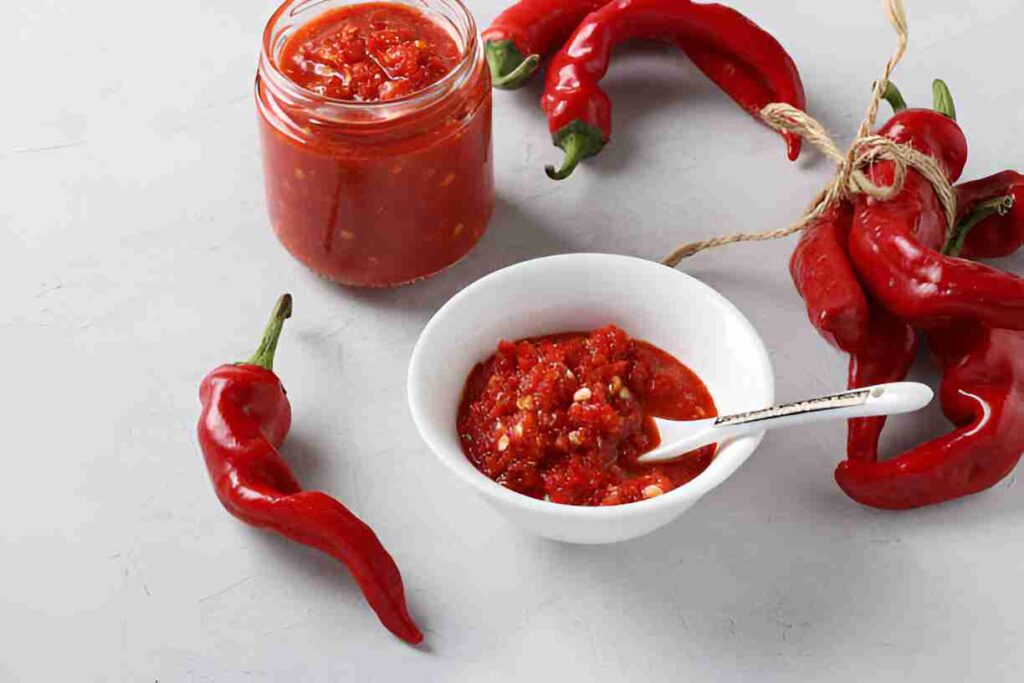

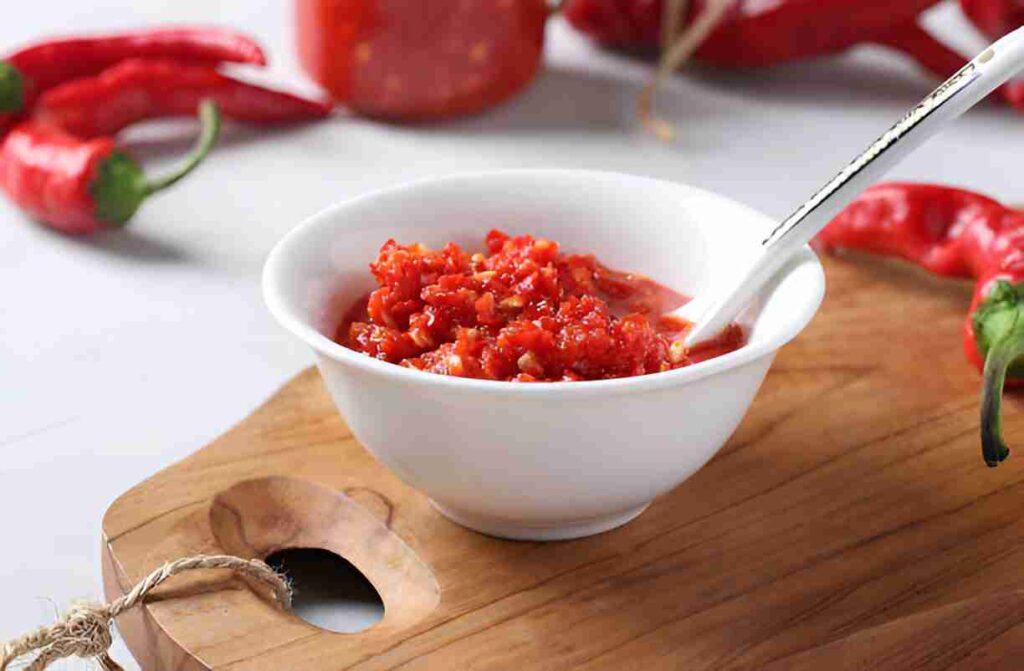
Homemade Harissa Paste, the fiery and aromatic North African sauce, is not just a condiment; it’s a celebration of flavor that can elevate your culinary creations to new heights. This vibrant blend of spices and peppers offers a unique way to spice up your meals, whether it’s drizzled over roasted vegetables or mixed into a savory stew. In this article, we’ll explore everything you need to know to make your very own harissa paste, from essential ingredients to cooking tips and serving suggestions.
Why You’ll Love Homemade Harissa Paste
Quick Preparation
Homemade Harissa Paste is perfect for busy families looking to add a burst of flavor to weekday meals. With simple ingredients and straightforward preparation, you can whip up a jar of this spicy paste in no time. Plus, it’s an excellent way to impress friends and family without spending hours in the kitchen.
Nutritional Benefits
Not only is harissa delicious, but it also offers health benefits. Packed with antioxidants from the roasted red peppers and spices like cumin and coriander, harissa can be a nutritious addition to your meals. Its vibrant red hue is a sign of vitamins A and C, making it a delightful way to enhance your diet while tantalizing your taste buds.
Versatile and Adaptable
One of the best aspects of Homemade Harissa Paste is its flexibility. You can adjust the heat level with different peppers, customize the spices to match your preferences, and use it in various dishes, from meats to vegetarian options. It’s budget-friendly too; a little goes a long way, making it the perfect addition to your pantry.
Essential Ingredients for the Recipe
To create your Homemade Harissa Paste, you’ll need the following ingredients:
Ingredients
- 1 cup dried red chilies (guajillo, ancho, or arbol), stems/seeds removed
- 1 red bell pepper, roasted and peeled
- 4 garlic cloves, peeled
- 1 tbsp coriander seeds
- 1 tbsp caraway seeds
- 1 tsp cumin seeds
- 2 tbsp tomato paste
- 2 tbsp lemon juice
- 1 tbsp olive oil (plus extra for storage)
- 1 tsp salt
- 1/2 tsp smoked paprika
- Optional:
- 1-2 tsp cayenne pepper (for extra heat)
- 1 preserved lemon, peel only (for tang)
Main Ingredient 1: Guajillo Peppers
Guajillo peppers offer a mild to medium heat and a rich, fruity flavor, making them the perfect base for harissa paste. If you can’t find guajillo peppers, you can substitute with other dried chili varieties like ancho or pasilla, but be mindful of their heat levels.
Main Ingredient 2: Tomato Paste
Tomato paste not only thickens your harissa but also adds depth of flavor. If you’re aiming for a different taste, consider using roasted tomatoes or sun-dried tomatoes as alternatives.
Main Ingredient 3: Roasted Red Peppers
Roasted red peppers add sweetness to the paste. If you’re in a pinch, you can also use fresh red bell peppers; just roast them until their skins are charred before adding them to the paste.
Ingredient Preparation
Step 1 – Preparing the Peppers
Start by removing the stems and seeds from the dried guajillo peppers. To soften them, place the peppers in a bowl and cover with hot water. Allow them to soak for about 20 to 30 minutes until they are pliable.
Step 2 – Garlic and Spice Preparation
While the peppers are soaking, peel the garlic cloves and measure out the spices. Having everything ready will make the blending process smooth and efficient.
Step 3 – Final Prep
Once the guajillo peppers are soft, drain them and add them to a blender or food processor along with the roasted red peppers, garlic, tomato paste, lemon juice, olive oil, and spices. Ensure all ingredients are ready to blend to a smooth consistency.
Step-by-Step Cooking Instructions
Step 1 – Initial Preparation
Preheat your blender or food processor. This may seem trivial, but a properly warmed machine helps in achieving a smoother paste.
Step 2 – Ingredient Assembly
In your blender, start by adding the softened guajillo peppers, roasted red peppers, and garlic. Layer in the tomato paste, lemon juice, and olive oil. Finally, sprinkle the spices over the top before blending.
Step 3 – Cooking and Finishing Touches
Blend until you have a smooth and cohesive paste. If it’s too thick, add a little more olive oil or water to reach your desired consistency. Taste it and adjust the seasoning as needed—more salt or lemon can enhance the existing flavors.
Tips for an Even Tastier Version
Adding Extra Ingredients
Consider incorporating extra ingredients like smoked paprika for a deeper flavor or a bit of honey for sweetness. You can also add in fresh herbs like cilantro or parsley for a fresh twist.
Techniques to Enhance Flavor
Enhance the flavor by toasting your spices lightly in a dry skillet before adding them to the blender. Toasting releases the essential oils and ramps up the fragrance of your harissa.
Adjustments for Preferences
This recipe can easily be adjusted for various dietary preferences. For a milder version, reduce the amount of guajillo peppers or consider using milder red peppers. For those watching their salt intake, simply reduce the salt.
Recipe Variations and Adaptations
Vegetarian Option
For a vegetarian twist, add roasted vegetables like eggplant or zucchini into the mix. This adds body and can be mixed in with grains for a hearty meal.
Gluten-Free or Low-Carb Option
Homemade Harissa Paste is naturally gluten-free and low-carb, making it suitable for many dietary needs. Use it as a zesty marinade for meats or a flavor booster for veggie dishes.
Other Adaptations
Feel free to change the flavor profile according to seasons or occasions. Add seasonal herbs like thyme in the spring or smoked chili peppers in the fall for a unique flare.
Serving Suggestions
Salad or Soup Ideas
Harissa is fantastic when drizzled over salads or stirred into soups. Try a vibrant chickpea salad topped with harissa for a fulfilling lunch.
Hearty Sides
Pair your harissa with homemade bread for dipping or roasted vegetables tossed in olive oil and spices. This creates a beautiful balance of flavors and textures.
Drink Recommendations
For a well-rounded meal, consider pairing your dish with a light white wine or a refreshing mocktail made from herb-infused iced tea.
Storage and Reheating Tips
How to Store Leftovers
Store any leftover harissa in an airtight container in the refrigerator for up to a week. You can also freeze it in ice cube trays for longer storage.
Reheating Techniques
To use frozen harissa, simply pop a cube into a skillet over low heat until it melts. You can also microwave it for quicker thawing.
Portioning Tips
When freezing, consider portioning out the harissa based on your usual meal size to make reheating as convenient as possible.
Nutritional Information and Benefits
Nutritional Values per Serving
Homemade Harissa Paste is low in calories, full of vitamins, and provides a good dose of antioxidants per tablespoon. It typically offers about 30 calories, negligible fat, and varying protein amounts based on added ingredients.
Ingredient Benefits
The key ingredients in harissa, like garlic and peppers, provide numerous health advantages, including anti-inflammatory properties, improved digestive health, and enhanced immune support.
Recommended Portions
A tablespoon of harissa is generally an adequate serving to add flavor to dishes without overwhelming in spices, making it easy to adjust per taste.
Common Mistakes to Avoid
Issue 1 – Not Soaking the Peppers
Skip soaking the dried peppers at your peril. Failing to do this can lead to a gritty texture in your paste. Always soak them until soft for the best consistency.
Issue 2 – Over-Blending
Blending for too long can make the paste too runny. Blend gradually and check the texture to achieve the balance you desire.
Issue 3 – Forgetting to Adjust Seasoning
Always taste your harissa before serving or storing it. A simple adjustment of salt or lemon can elevate the flavors dramatically and ensure a balanced taste.
Inspiring Conclusion
Creating your own Homemade Harissa Paste is not only a culinary adventure but an invitation to experiment with flavors and enhance your meals. Embrace the process, and don’t hesitate to share your variations and experiences with friends and family. Cooking is a social affair, and what better way to bring everyone together than over a delicious dish infused with homemade harissa!
FAQ (Frequently Asked Questions)
- Can I prepare this recipe in advance?
Absolutely! Harissa can be made a few days in advance and stored in the refrigerator or frozen for longer shelf life. - What are the best substitutes for dried guajillo peppers?
You can use dried ancho or pasilla peppers, but be mindful that they may alter the flavor and heat levels slightly. - Can I adjust the heat level of the harissa?
Yes! Modify the number of guajillo peppers used to control the spiciness according to your preference. - How long does homemade harissa last?
Properly stored in an airtight container, it can last up to a week in the refrigerator, and it freezes well for several months. - Is harissa vegan-friendly?
Yes, homemade harissa is entirely vegan and can easily be incorporated into various plant-based dishes. - What dishes can I use harissa in?
You can use harissa as a marinade for grilled meats, mixed into soups, drizzled over roasted vegetables, or spread on sandwiches. - How do I make the harissa less thick?
If your harissa is too thick, simply add a few drops of olive oil or water while blending until you reach your desired consistency. - Can I use fresh ingredients instead of dried?
While dried ingredients provide a more concentrated flavor, you can use fresh peppers and herbs in a pinch for a different style of harissa. - What are the best ways to use up leftover harissa?
Add it to salad dressings, mix into dips, or use it as a spicy spread for sandwiches and wraps. - Can I make a milder version of harissa?
Yes! Use milder peppers or reduce the amount of spicy ingredients to create a gentler flavor profile.
Cucumber Avocado Salad: A Refreshing Delight for Everyone
PrintHomemade Harissa Paste: Your New Favorite Condiment
A vibrant red chili paste from North Africa featuring smoky roasted peppers, aromatic spices, and garlic. Customize the heat level to your preference!
- Prep Time: 15 mins
- Cook Time: undefined
- Total Time: 45 mins
- Yield: 1 1/2 cups 1x
- Category: Condiment
- Method: No-Cook (except soaking/toasting)
- Cuisine: North African/Tunisian
Ingredients
- 1 cup dried red chilies (guajillo, ancho, or arbol), stems/seeds removed
- 1 red bell pepper, roasted and peeled
- 4 garlic cloves, peeled
- 1 tbsp coriander seeds
- 1 tbsp caraway seeds
- 1 tsp cumin seeds
- 2 tbsp tomato paste
- 2 tbsp lemon juice
- 1 tbsp olive oil (plus extra for storage)
- 1 tsp salt
- 1/2 tsp smoked paprika
- Optional:
- 1–2 tsp cayenne pepper (for extra heat)
- 1 preserved lemon, peel only (for tang)
Instructions
- Rehydrate chilies: Cover dried chilies with boiling water. Soak 30 mins until soft. Drain, reserving 1/4 cup soaking liquid.
- Toast spices: In dry skillet, toast coriander, caraway, and cumin seeds 1-2 mins until fragrant. Grind to powder.
- Blend: In food processor, combine soaked chilies, roasted pepper, garlic, spices, tomato paste, lemon juice, oil, salt, and paprika. Process until smooth, adding reserved soaking liquid as needed.
- Adjust: Taste and add cayenne or preserved lemon if using. Blend again.
- Store: Transfer to jar, top with 1/2″ olive oil. Keeps refrigerated 1 month.
Notes
- Heat control: Use milder chilies (ancho) for mild paste, or add ghost peppers for extreme heat
- Shortcut: Use 2 tbsp pre-ground spices (skip toasting)
- Freezing: Portion into ice cube trays, freeze 3 months
- Traditional touch: Some recipes include rose petals or mint
Nutrition
- Serving Size: 1 tbsp
- Calories: 25
- Sugar: 2g
- Sodium: 120mg
- Fat: 1g
- Saturated Fat: 0g
- Unsaturated Fat: 1g
- Trans Fat: 0g
- Carbohydrates: 4g
- Fiber: 1g
- Protein: 1g
- Cholesterol: 0mg