


Table of Contents
Table of Contents
Are you looking for the perfect sauce to elevate your dishes? A Creamy White Sauce can be just the ticket. This versatile sauce is not only simple to make but also serves as a delicious base for a variety of dishes, including classic recipes like Salisbury steak with mushroom gravy. In this article, we will explore the ins and outs of preparing a creamy white sauce, highlighting its benefits, essential ingredients, cooking methods, variations, and tips to help you impress at your dinner table. Let’s dive in!
Why You’ll Love Creamy White Sauce
Family-Friendly Appeal
One significant aspect of creamy white sauce is its pleasing taste and smooth texture, making it a hit with family members of all ages. Whether drizzled over pasta or served alongside chicken and vegetables, this sauce can transform a simple meal into a comforting delight that everyone will enjoy.
Nutritional Benefits
Creamy white sauce packs a decent amount of calcium and protein, especially when made with whole milk. This sauce also allows you to incorporate nutritious ingredients like sautéed spinach or mushrooms, offering health benefits without sacrificing flavor. Plus, using simple, easily accessible ingredients means you won’t need to go off the beaten path while grocery shopping.
Culinary Flexibility
One of the best things about creamy white sauce is its adaptability. You can modify the recipe to fit dietary restrictions, experiment with local herbs, or switch it up with different cheeses to create a dish that fits your taste preferences and budget. It’s a meal-time hero that allows for endless creativity!

Essential Ingredients for the Recipe
PrintCreamy White Sauce: A Delicious Foundation for Any Meal

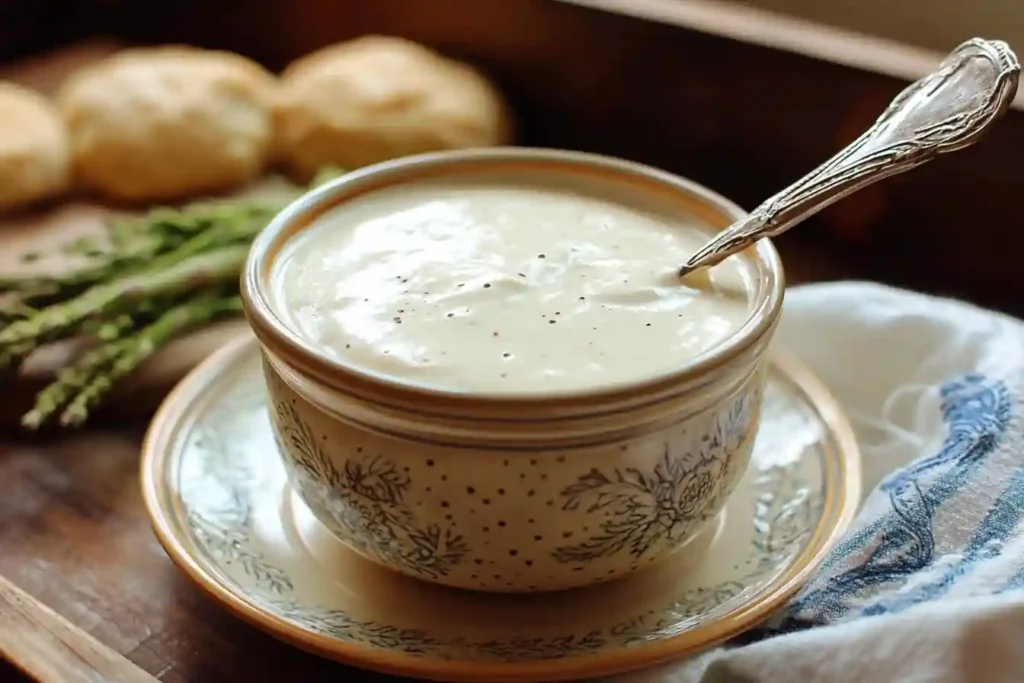
A classic, velvety white sauce made with butter, flour, and milk, perfect for pasta, lasagna, or as a base for other sauces.
- Prep Time: 2 mins
- Cook Time: 10 mins
- Total Time: 12 mins
- Yield: 2 cups 1x
- Category: Sauce
- Method: Stovetop
- Cuisine: French
- Diet: Vegetarian
Ingredients
- 4 tbsp (60g) unsalted butter
- 4 tbsp (30g) all-purpose flour
- 2 cups (480ml) whole milk, warmed
- 1/4 tsp salt (or to taste)
- 1/8 tsp white pepper (or black pepper)
- 1/8 tsp ground nutmeg (optional)
- 1 bay leaf (optional)
Instructions
- In a saucepan over medium heat, melt butter until foamy but not browned.
- Add flour and whisk constantly for 2 minutes to cook out the raw flour taste (this creates a roux).
- Gradually pour in warm milk while whisking continuously to prevent lumps.
- Add bay leaf (if using) and cook for 5-7 minutes, stirring constantly, until thickened to coat the back of a spoon.
- Remove bay leaf, then season with salt, pepper, and nutmeg.
- Use immediately or cover with plastic wrap touching the surface to prevent a skin from forming.
Notes
- For extra richness, substitute 1/2 cup milk with heavy cream.
- If sauce is too thick, whisk in additional warm milk 1 tbsp at a time.
- For cheese sauce: Stir in 1 cup grated cheese (like Parmesan or cheddar) after removing from heat.
- Store refrigerated for up to 3 days; reheat gently with a splash of milk.
Nutrition
- Serving Size: 1/4 cup
- Calories: 120 kcal
- Sugar: 3g
- Sodium: 80mg
- Fat: 8g
- Saturated Fat: 5g
- Unsaturated Fat: 2g
- Trans Fat: 0g
- Carbohydrates: 9g
- Fiber: 0g
- Protein: 3g
- Cholesterol: 20mg
Main Ingredient 1: Unsalted Butter
Unsalted butter gives the sauce a rich, velvety texture. If you prefer a lighter version, you can substitute with olive oil or a plant-based butter alternative, which will still provide some richness.
Main Ingredient 2: All-Purpose Flour
All-purpose flour acts as a thickening agent. For those on a gluten-free diet, consider using cornstarch or a gluten-free flour blend as a substitute to achieve the same creamy consistency without the gluten.
Main Ingredient 3: Whole Milk
Whole milk contributes to the creamy consistency of the sauce. If you are lactose intolerant, almond milk or oat milk can be used, though results may vary in terms of consistency and flavor.
Ingredient Preparation
Step 1 – Measure and Assemble
Start by measuring out all your ingredients. Having everything ready before you begin cooking saves time and prevents chaos in the kitchen.
Step 2 – Prep Your Kitchen
Make sure you have your cooking tools ready: a whisk, a medium saucepan, and measuring cups. This step helps streamline the process and makes whipping up your sauce quick and efficient.
Step 3 – Keep It Smooth
To ensure your sauce turns out creamy, avoid dumping in the flour all at once. Instead, sprinkle it gradually while continuously whisking to prevent lumps from forming. You want that smooth texture that creamy white sauce is famous for!
Step-by-Step Cooking Instructions
Step 1 – Initial Preparation
Begin by melting the butter in a medium saucepan over medium heat. Allow it to fully melt without browning, creating a fragrant base for your sauce.
Step 2 – Ingredient Assembly
Once the butter is melted, sprinkle the flour into the melted butter, whisking continuously. Cook for about 1-2 minutes until the mixture is slightly golden; this is known as a roux and is crucial for the flavor and texture of your sauce.
Step 3 – Cooking and Finishing Touches
Gradually pour the whole milk into the roux while whisking continuously to combine the ingredients smoothly. Keep whisking until the sauce thickens, which usually takes about 5-7 minutes. You’ll know it’s done when it coats the back of a spoon. Season with salt and pepper to taste.
Tips for an Even Tastier Version
Adding Extra Ingredients
Spice up your creamy white sauce by adding garlic, onion powder, or grated parmesan cheese. For a burst of color and flavor, consider throwing in some steamed broccoli or spinach.
Techniques to Enhance Flavor
To deepen the flavor even further, you can sauté minced garlic in the butter before adding the flour. Alternatively, adding a splash of white wine after cooking the roux adds a gourmet touch.
Adjustments for Preferences
For those who prefer a dairy-free option, simply switch out the whole milk with any plant-based milk of your choice. This modification maintains the creamy texture while accommodating dietary restrictions.
Recipe Variations and Adaptations
Vegetarian Option
If you want to keep things vegetarian, consider pairing your creamy white sauce with roasted vegetables or a hearty mushroom risotto, ensuring your meal remains simple yet satisfying.
Gluten-Free or Low-Carb Option
Opt for a low-carb version by using almond flour instead of traditional all-purpose flour. For a gluten-free alternative, follow the same guidelines with cornstarch or a gluten-free flour blend.
Other Adaptations
Switching things up seasonally can keep your meals exciting. For instance, in fall, try adding pumpkin puree to your sauce along with nutmeg for a seasonal twist.
Serving Suggestions
Salad or Soup Ideas
To complement your creamy white sauce, serve a light salad or a fragrant soup as a starter. Consider a mixed greens salad with a citrus vinaigrette or a classic tomato basil soup.
Hearty Sides
Pair your main dish with comforting sides like homemade bread or roasted root vegetables, which balance out the richness of the creamy white sauce and provide a satisfying meal.
Drink Recommendations
Complete your meal with a refreshing drink. Light white wine, iced tea, or even a homemade mocktail can enhance your dining experience and make it truly memorable.
Storage and Reheating Tips
How to Store Leftovers
Store any leftover creamy white sauce in an airtight container in the refrigerator for up to three days. Ensure it’s cooled to room temperature before sealing.
Reheating Techniques
When reheating, use low heat on the stovetop to warm up the sauce gradually. Add a dash of milk to help it achieve the desired consistency once again.
Portioning Tips
For those who meal prep, consider portioning the sauce in small containers for easy access during the week. They make for quick dinners on busy nights!
Nutritional Information and Benefits
Nutritional Values per Serving
Each serving of creamy white sauce (approximately two tablespoons) contains around 100 calories, 2g of protein, and minimal fiber. The values can vary based on ingredient modifications.
Ingredient Benefits
Using whole milk provides calcium and vitamin D, while butter contributes healthy fats. Incorporating vegetables will amplify the nutritional profile significantly.
Recommended Portions
Typically, 1/4 to 1/2 cup of creamy white sauce is an ideal serving size for a meal, allowing for a well-rounded dish without overwhelming the palate.
Common Mistakes to Avoid
Issue 1 – Not Whisking Enough
Failing to whisk continuously can lead to lumps in the sauce. Always keep that whisk moving to ensure a smooth, creamy outcome.
Issue 2 – Cooking the Roux Too Long
While the roux is essential for flavor, cooking it for too long can give the sauce a burnt taste. Aim for a light golden color, just enough to achieve the nutty flavor without going too far.
Issue 3 – Skipping Seasoning
It’s easy to overlook seasoning while focusing on the technique, but adding salt and pepper can enhance the overall flavor significantly. Taste as you go to achieve the perfect balance.
Inspiring Conclusion
In conclusion, creamy white sauce is a culinary gem that provides diverse uses and flavors. Its ability to adapt and enhance various dishes makes it a staple in kitchens everywhere. Don’t hesitate to experiment with different ingredients and find the perfect blend that suits your palate. Invite family and friends to join you in the kitchen, and turn cooking into a joyful and memorable experience. Happy cooking!
Delve into Deliciousness with Homemade Teriyaki Sauce
FAQ (Frequently Asked Questions)
- Can I prepare this recipe in advance?
Yes! You can make it a day in advance and store it in the fridge. Just reheat it gently and add a splash of milk to restore its creaminess. - What are the best substitutes for whole milk?
Good dairy-free substitutes include almond milk, oat milk, or coconut milk. For a richer flavor, consider using heavy cream, but remember to dilute it with water or broth. - How can I make this sauce spicier?
You can add red pepper flakes or a dash of cayenne pepper while cooking to add warmth to your creamy sauce. - Is it possible to freeze creamy white sauce?
Yes, it can be frozen for up to three months. Just reheat gently and add a little liquid if it thickens up. - What if my sauce is too thick?
If your sauce is too thick, gradually whisk in more milk until you reach your desired consistency. - Can I add cheese to my creamy white sauce?
Absolutely! Grated Parmesan or mozzarella can be added for an extra savory flavor. - How do I make the sauce dairy-free?
Use plant-based butter and a non-dairy milk alternative to create a creamy but dairy-free version. - Can I scale this recipe up?
Certainly! Just keep the ratios consistent, and adjust cooking time if making a larger batch. - What is the best way to thicken the sauce if it’s too thin?
You can mix a tablespoon of cornstarch with cold water and stir it in; heat it until it thickens. - How do I adjust the flavor for different seasons?
Experiment with herbs like dill in spring, sage in winter, or basil in summer for a fresh twist that complements seasonal dishes.
This article provides a comprehensive guide to creamy white sauce, ensuring you have all the knowledge you need to create a versatile and delicious addition to your next meal. Enjoy the cooking adventure!