

Table of Contents
Table of Contents
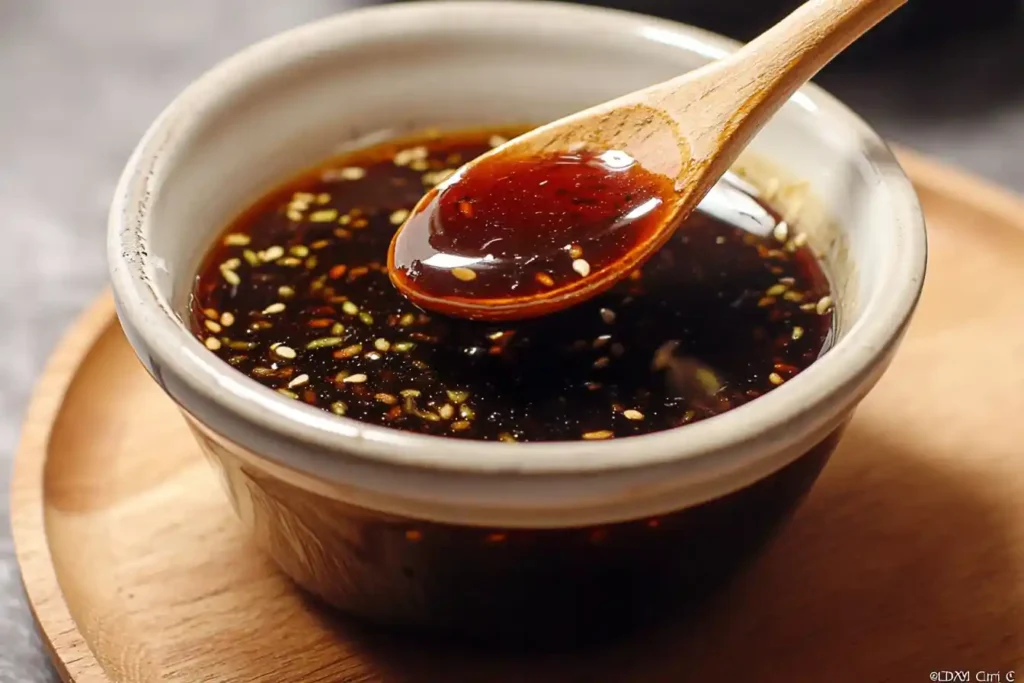
When it comes to flavor-packed marinades that elevate your dishes, few can compare to Homemade Teriyaki Sauce. Whether you’re whipping up a weeknight dinner or planning a family feast, this delightful sauce brings a sweet umami flavor that will tantalize your taste buds. In this comprehensive guide, we’ll explore the ins and outs of crafting your very own teriyaki sauce, along with its numerous benefits, ingredient preparation, cooking instructions, and much more. Let’s dive in!
Why You’ll Love Homemade Teriyaki Sauce
A Family Favorite
Homemade Teriyaki Sauce is not just a sauce; it’s a family pleaser. The balance of sweet and savory flavors makes it perfect for everyone, from picky eaters to adventurous palates. Plus, with its quick preparation time, you can whip it up in no time, turning a mundane meal into a delicious feast with minimal effort.
Naturally Nutritious Ingredients
One of the best parts about making your own teriyaki sauce is that you control the ingredients. The recipe utilizes simple, wholesome elements like soy sauce, ginger, and honey, making it a healthier option than many store-bought versions filled with preservatives and artificial flavors. You’ll feel good about serving this sauce to your family.
Flexible and Budget-Friendly
Whether you’re following dietary restrictions or just trying to stick to a budget, Homemade Teriyaki Sauce is incredibly adaptable. You can easily swap out ingredients based on what you have in your pantry or adjust the flavors to suit various dishes, making it a valuable staple in your cooking arsenal.
Essential Ingredients for the Recipe
PrintDelve into Deliciousness with Homemade Teriyaki Sauce
An easy, homemade teriyaki sauce with the perfect balance of sweet and savory flavors. This versatile sauce is great for marinating meats, glazing vegetables, or drizzling over rice bowls. Ready in just 10 minutes!
- Prep Time: 5 minutes
- Cook Time: 5 minutes
- Total Time: 10 minutes
- Yield: 1 cup 1x
- Category: Sauce/Condiment
- Method: Stovetop
- Cuisine: Japanese-Inspired
Ingredients
- 1/2 cup soy sauce (or tamari for gluten-free)
- 1/4 cup water
- 1/4 cup brown sugar (packed)
- 2 tablespoons honey or maple syrup
- 2 cloves garlic, minced
- 1 teaspoon fresh ginger, grated
- 1 tablespoon rice vinegar
- 1 tablespoon mirin (optional, for depth)
- 1 tablespoon cornstarch + 2 tablespoons cold water (for thickening)
- Optional: 1/2 teaspoon red pepper flakes for heat
Instructions
- Combine ingredients: In a small saucepan, whisk together soy sauce, water, brown sugar, honey, garlic, ginger, rice vinegar, and mirin (if using). Bring to a simmer over medium heat.
- Thicken sauce: In a separate bowl, mix cornstarch and cold water to create a slurry. Slowly pour into the simmering sauce while stirring constantly.
- Simmer: Cook for 3–5 minutes, stirring frequently, until the sauce thickens to a glossy, syrup-like consistency.
- Adjust flavor: Taste and add red pepper flakes (for heat) or more honey (for sweetness) if desired.
- Cool & store: Remove from heat and let cool. The sauce will thicken further as it cools.
Notes
- For a pineapple teriyaki twist, add 2 tablespoons pineapple juice.
- Use low-sodium soy sauce if watching salt intake.
- Store in an airtight container in the fridge for up to 2 weeks.
- Reheat gently with a splash of water if too thick.
Nutrition
- Serving Size: 1 tablespoon
- Calories: 35
- Sugar: 6g
- Sodium: 300mg
- Fat: 0g
- Saturated Fat: 0g
- Unsaturated Fat: 0g
- Trans Fat: 0g
- Carbohydrates: 8g
- Fiber: 0g
- Protein: 1g
- Cholesterol: 0mg
Main Ingredient 1: Soy Sauce
Soy sauce is the backbone of this recipe, providing that essential savory depth. If you’re looking for alternatives, consider using tamari for a gluten-free option or coconut aminos for a lower sodium content.
Main Ingredient 2: Brown Sugar
The brown sugar adds a rich sweetness and helps to balance the saltiness of the soy sauce. If you prefer, you can use maple syrup or coconut sugar as a healthier alternative.
Main Ingredient 3: Ginger
Fresh ginger packs a punch of flavor and warmth. When selecting ginger, look for firm pieces with smooth skin. If fresh isn’t available, ground ginger can work in a pinch—just adjust quantities since ground ginger is more concentrated.
Ingredient Preparation
Step 1 – Gather Ingredients
Start by gathering all your ingredients. Having everything at your fingertips simplifies the process and saves you from scrambling mid-recipe. Measure out your soy sauce, water, brown sugar, and the rest of the components accordingly.
Step 2 – Mix the Base
In a medium-sized bowl, whisk together the soy sauce, water, brown sugar, honey, rice vinegar, sesame oil, minced garlic, and grated ginger until everything is well combined. This is where the magic begins!
Step 3 – Prepare the Slurry
In a separate small bowl, mix the cornstarch with the cold water to create a slurry. This will help thicken your teriyaki sauce later, giving it that luscious consistency that coats your favorite proteins and vegetables beautifully.
Step-by-Step Cooking Instructions
Step 1 – Initial Preparation
To start, pour the teriyaki sauce mixture into a saucepan and bring it to a gentle simmer over medium heat. Stir continuously to prevent sticking, ensuring the sugar dissolves completely.
Step 2 – Ingredient Assembly
Once simmering, add the cornstarch slurry to your sauce, whisking it in thoroughly. Watch as it begins to thicken! Let it simmer for an additional 3-5 minutes to allow the flavors to meld together and achieve your desired consistency.
Step 3 – Cooking and Finishing Touches
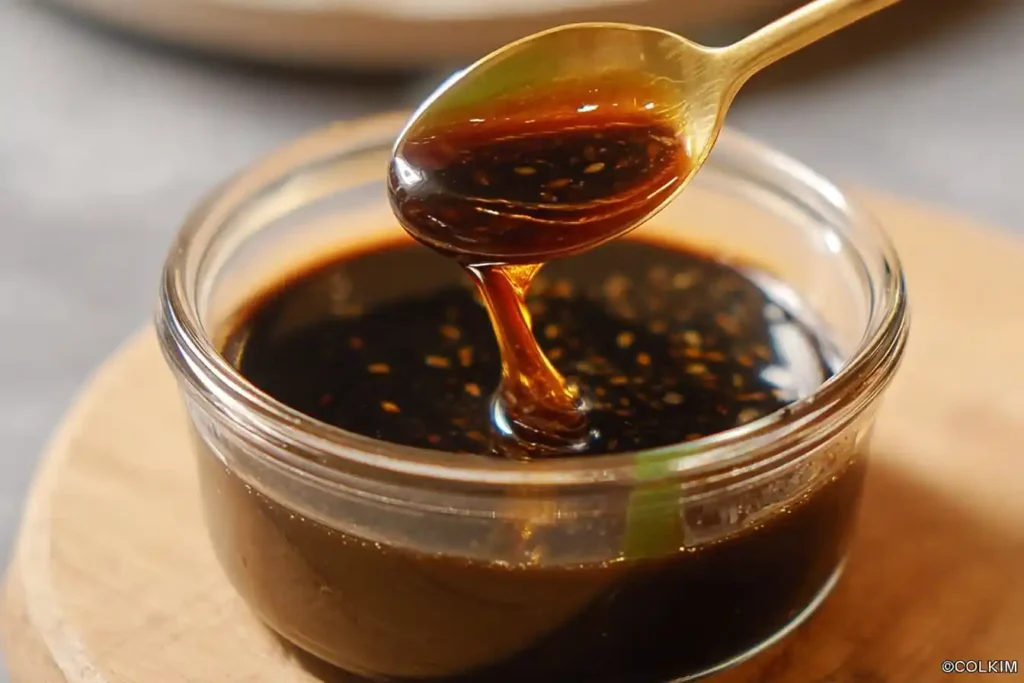
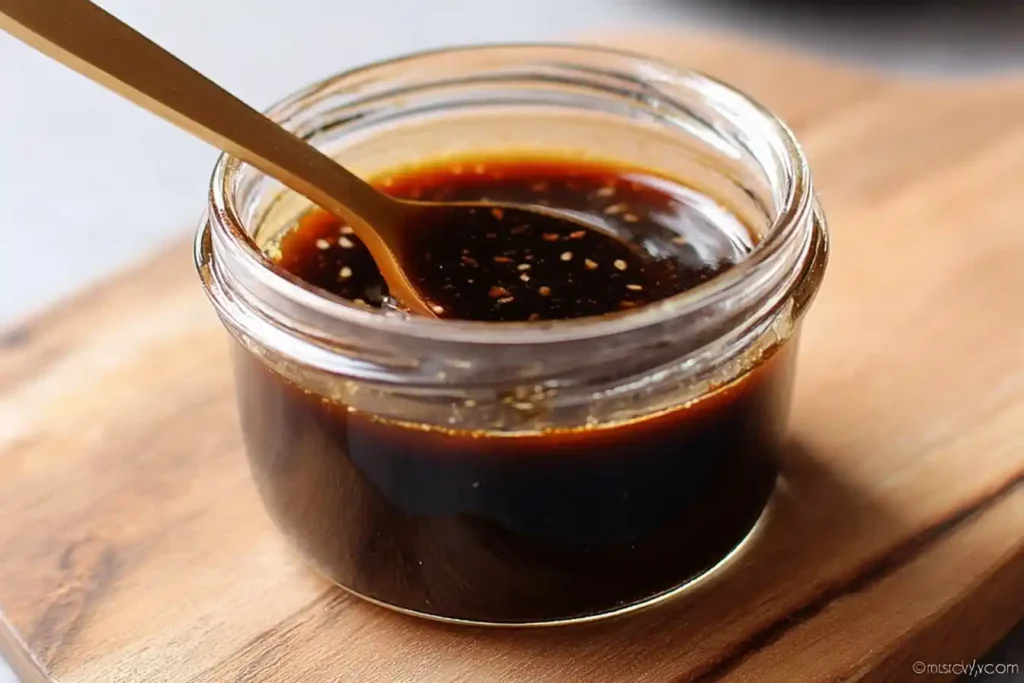
Remove the saucepan from heat once your sauce is thickened to your liking. Let it cool slightly before transferring to a glass jar or container. Your homemade teriyaki sauce is ready to elevate any dish you choose!
Tips for an Even Tastier Version
Adding Extra Ingredients
To enhance the depth of flavor in your teriyaki sauce, consider adding a splash of sriracha for heat or some toasted sesame seeds for crunch. If you love experimenting, try infusing your sauce with spices like allspice or Chinese five-spice powder.
Techniques to Enhance Flavor
For an even richer flavor, you can marinate proteins like chicken or beef in the sauce for a few hours before cooking. The longer the marinade, the more intense and delicious the final dish will be!
Adjustments for Preferences
Remember, dietary preferences are crucial in today’s cooking culture. If you’re looking for a sugar-free alternative, consider sugar substitutes like erythritol or stevia while keeping an eye on flavor balance.
Recipe Variations and Adaptations
Vegetarian Option
Substitute tofu or tempeh for any meat to make this dish vegetarian-friendly. Simply cube the tofu and marinate it in the teriyaki sauce before grilling or sautéing for a delightful plant-based meal.
Gluten-Free or Low-Carb Option
For a gluten-free version, make sure to choose a gluten-free soy sauce or tamari. If you’re cutting carbs, replace any rice or pasta accompaniment with spiralized vegetables or cauliflower rice.
Other Adaptations
Want to change things up? Seasonal ingredients like fresh peaches or pineapples can be added for fruity variations, perfect for summer barbecues or festive gatherings.
Serving Suggestions
Salad or Soup Ideas
Use your homemade teriyaki sauce as a dressing for a vibrant salad or drizzle it over a warm vegetable soup for a rich flavor boost.
Hearty Sides
Serve teriyaki sauce alongside homemade bread or roasted vegetables. The sauce can act as a drizzle over grilled veggies for added flair and dimension.
Drink Recommendations
Pair your dishes with refreshing iced green tea, a crisp white wine, or fruity mocktails. The cool liquid nicely complements the rich flavors of teriyaki.
Storage and Reheating Tips
How to Store Leftovers
Once cooled, transfer your leftover sauce to a jar and store it in the fridge. Make sure to label it with the date; it should last about a week when stored properly.
Reheating Techniques
Reheat your teriyaki sauce in a saucepan over low heat, stirring frequently until warmed through. You can also microwave it in short bursts, but make sure to use a microwave-safe container!
Portioning Tips
Consider portioning your sauce into smaller jars before storing for easy access during meal prep. This method is perfect for adding to your meals throughout the week.
Nutritional Information and Benefits
Nutritional Values per Serving
Each serving of homemade teriyaki sauce contains approximately 50 calories, making it a low-calorie option that’s flavorful without the guilt. It’s also packed with essential nutrients like vitamins B and K from the soy sauce and garlic.
Ingredient Benefits
The garlic and ginger not only add fantastic flavor but also offer anti-inflammatory properties and immune-boosting benefits. Plus, the natural sweetness from honey and brown sugar makes it an excellent guilt-free indulgence.
Recommended Portions
Generally, 2-3 tablespoons of teriyaki sauce per serving is ideal. This quantity provides enough flavor without overpowering your dishes.
Common Mistakes to Avoid
Issue 1 – Overcooking the Sauce
Be careful not to overcook the sauce while thickening it. If cooked too long, it can become overly thick or burnt. Remember to keep a close eye on it!
Issue 2 – Skipping the Slurry
Forgetting to add the cornstarch slurry can lead to a watery sauce. Ensure this step is not overlooked to achieve that classic texture.
Issue 3 – Not Tasting as You Go
Always taste your sauce as it cooks. Flavors can vary based on ingredient brands and personal preference. Adjust to your liking with more sweetness or saltiness as necessary.
Inspiring Conclusion
Crafting your own Homemade Teriyaki Sauce isn’t just about flavor; it’s about creating memorable meals that bring family and friends together. The joy of cooking lies in experimentation and sharing, so we encourage you to play around with this recipe and discover your unique twist. Don’t forget to share your delicious results and inspire others to get creative in the kitchen.
Lighter Ranch Dip: A Healthier Take on a Classic Favorite
FAQ (Frequently Asked Questions)
- Can I prepare this recipe in advance? Yes, you can make this sauce ahead of time and store it in the fridge for up to a week.
- What are the best substitutes for soy sauce? Tamari is an excellent gluten-free alternative, while coconut aminos offer a soy-free option.
- How do I store leftover teriyaki sauce? Store it in an airtight container in the refrigerator for up to a week.
- Can I use this sauce for grilling? Absolutely! It makes a fantastic marinade for grilled chicken, beef, or vegetables.
- Is there a way to reduce the sweetness? If you find it too sweet, cut back on the brown sugar and honey when making your sauce.
- What’s the main difference between homemade and store-bought teriyaki sauce? Homemade versions are free from preservatives and artificial flavors, allowing you to control the taste and quality.
- Can I freeze teriyaki sauce? Yes, you can freeze it in ice cube trays for easy portion control.
- How do I adjust the thickness of the sauce? If you want a thicker sauce, simmer it longer after adding the cornstarch slurry, and for a thinner sauce, simply add more water.
- What should I pair it with? Teriyaki sauce pairs beautifully with rice, noodles, or stir-fried vegetables.
- Is it suitable for meal prep? Yes, it’s perfect for meal prep! Just add it to your dishes when mixing your meals for the week.