
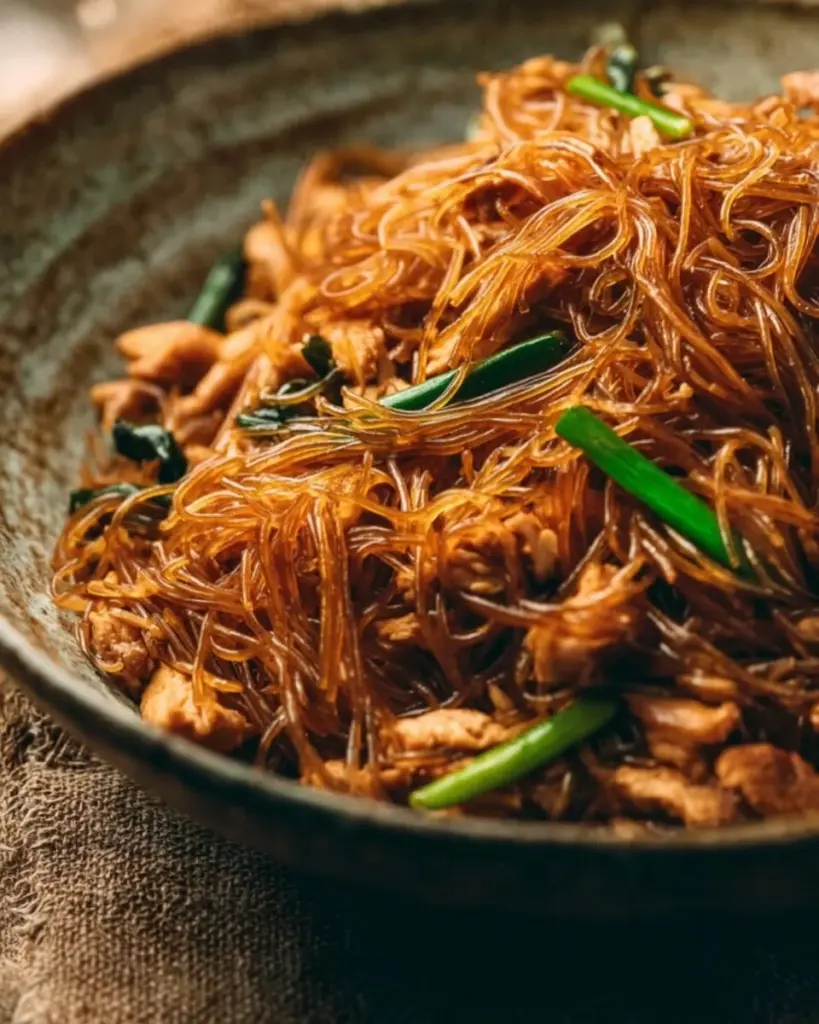

Ants Climbing a Tree: A Flavorful Journey to Comfort Food
Have you ever had one of those days where you crave something that feels like a warm hug, yet comes together in the blink of an eye? Let me take you back to my childhood—my mom would whip up a stir-fry that was as comforting as watching a favorite movie on a rainy day. One of the standouts in her repertoire was Ants Climbing a Tree, a dish that, to be honest, took my taste buds on an adventure. While the name might sound quirky, the combination of succulent ground pork and silky vermicelli noodles is nothing short of magical.
What sets this recipe apart from the usual options? Well, I’ve perfected the balance of flavors that leaves your palate dancing with joy. The kick from the doubanjiang and the earthy notes from the chicken broth create a harmony that makes you want to keep coming back for more. Even better, it’s a dish packed with memories—every bite reminds me of family dinners filled with laughter and love. In this post, I promise you’ll learn not just how to make Ants Climbing a Tree, but how to infuse it with your own personal touch and round up some gorgeous stories along the way.
What are Ants Climbing a Tree?
The name Ants Climbing a Tree may sound peculiar, but let’s dive into why this dish has captured hearts and appetites across cultures. This beloved classic stems from Chinese cuisine, particularly from the Sichuan region, where bold flavors lead the charge. The dish is characterized by its delectable blend of ground meat (usually pork) and vermicelli noodles, which soak up all the flavors of the sauce with each delightful bite.
Think of it as a savory stir-fry with a twist. The texture is a beautiful symphony: the soft noodles mingling with the tender pork, all coated in a slightly spicy sauce that makes every mouthful exciting. What makes it unique is the way the noodles almost seem to "climb" up the meat—a visual and flavor sensation that elevates your dining experience. You can whip this up for a weeknight meal or impress guests at a dinner party; it works for any occasion!
Why You’ll Love This Recipe
Regain Control Over Flavors: Unlike store-bought versions that can sometimes taste processed, making Ants Climbing a Tree at home gives you complete control over the flavors. You can adjust the spice level or even add extra vegetables, making each dish uniquely yours.
Cost-Effective Delight: If you’re looking for an affordable yet luxurious meal, this recipe checks all the boxes! With simple, accessible ingredients, you’ll discover that whipping up a restaurant-quality dish at home doesn’t have to break the bank.
Quick and Convenient: Whether you’re a busy professional or a parent with a full schedule, this recipe comes together fast—typically in under 30 minutes. It’s perfect for those nights when you’re short on time but still want something delicious.
Customization Galore: Hate pork? No problem! You can easily substitute with ground chicken, turkey, or even a plant-based protein if you’re craving something lighter. Feeling adventurous? Throw in some sautéed bell peppers or snow peas for added crunch!
Easy Peasy: Even if you’re a beginner in the kitchen, this dish is straightforward and forgiving! It’s perfect for honing your cooking skills without overwhelming pressure.
Ingredients Section
To craft the perfect Ants Climbing a Tree, gather the following ingredients:
- 4 oz. (110 g) dried mung bean vermicelli noodles: These provide the perfect chewy texture. You can also use other noodles like rice or glass noodles as a substitute.
- 1 tablespoon peanut oil (or vegetable oil): It’s just about what you have on hand! I’m partial to peanut oil for its nutty flavor.
- 1 tablespoon minced ginger: Fresh ginger adds a lovely warmth. You can substitute it with ground ginger in a pinch, but fresh is always best.
- 2 cloves garlic (minced): Because, let’s be honest, garlic makes everything better.
- 2 green onions (sliced): These add a touch of freshness and color to the dish.
- 1 tablespoon doubanjiang: This spicy fermented bean paste is essential for that authentic taste; however, if you’re looking for a milder flavor, you can replace it with a sweet chili sauce.
- 4 oz. (120 g) ground pork: Use a high-quality pork to enhance the flavor. Ground chicken or turkey works well if you’re looking for a leaner option.
- 1/2 cup chicken broth (or water): Broth enriches the dish with incredible depth.
- 1 tablespoon light soy sauce: Don’t skimp on this; it adds crucial umami.
- 1 teaspoon dark soy sauce: For a hint of sweetness and deeper color.
- 1 tablespoon Shaoxing wine (or dry sherry): This adds a subtle complexity; you can omit it if you prefer, but I highly recommend it!
- 1 teaspoon sugar: Balances out the flavors beautifully.
Prep Notes: Ensure your noodles are at room temperature when you begin soaking. It ensures even cooking later on!
Step-by-Step Instructions
Prep the Noodles: Place the dried mung bean vermicelli noodles in a big bowl and cover them with hot water. Soak according to package instructions, or if there aren’t any, soak for about 15 minutes. Once done, drain thoroughly and toss with 1/2 tablespoon of oil. Set aside.
Mix the Sauce: In a small bowl, mix together the chicken broth, light soy sauce, dark soy sauce, Shaoxing wine, and sugar. Give it a good stir to ensure the sugar dissolves. Set aside.
Aromatics Sizzle: Heat 1/2 tablespoon of oil in a non-stick pan over medium heat. Once shimmering hot, add the minced ginger, garlic, and green onions. Cook and stir for about 30 seconds until the fragrance wafts through your kitchen.
Cook the Meat: Add the ground pork into the pan and use a spatula to break it apart. Cook until fully browned and cooked through, about 2–3 minutes.
Flavor It Up: Stir in the doubanjiang with the pork, cooking for 1 minute until it evenly coats the meat.
Noodles Meet Broth: Pour in the prepared sauce, followed by the soaked vermicelli noodles. Stir gently to combine. Cover and cook for an additional 2–3 minutes.
Final Touch: Uncover the pan and check the noodle doneness. If they still feel tough, cover and cook for another minute. Once tender, increase the heat to medium-high and cook uncovered until most of the liquid has evaporated—about 1 minute.
Plate It Up: Once done, transfer everything to a plate, garnish with additional sliced green onions if desired, and serve hot as a delightful main dish.
Chef’s Tips
- For a crispier finish, toss in some vegetables like bell peppers or bok choy during the last few minutes of cooking.
- If you notice the noodles absorbing too much liquid, feel free to add a splash of water or broth.
- Common mistake: Don’t over-soak the noodles; they should be al dente.
Expert Tips & Tricks
- Quality Ingredients Count: Don’t skip on good-quality ground meat or fresh ingredients—they make a world of difference!
- Make-Ahead Magic: You can soak the noodles and prepare the sauce in advance for a quicker dinner prep.
- Storage Suggestions: Leftovers can be stored in an airtight container in the fridge for up to 3 days. Reheat using a dash of water to revive the noodles.
- Custom Spice Level: Adjust the amount of doubanjiang to suit your taste. If you’re sensitive to spice, start with just half the amount.
- Versatile Sauces: You can switch up the sauce base for different flavors—try adding sesame oil or chili paste for variations!
- Troubleshooting Storage: If your noodles seem too dry the next day, simply add a splash of chicken broth to loosen them up.
Serving Suggestions
This delightful dish pairs beautifully with a simple cucumber salad dressed in rice vinegar, or perhaps some steamed broccoli on the side for a nutritional boost. For special occasions, consider garnishing your plate with fresh cilantro or crushed peanuts for that extra flair. It’s perfect for family dinners or casual gatherings; trust me, your friends will be asking for seconds!
Variations & Substitutions
Feeling creative? Here are some mix-and-match ideas:
- Flavor Combinations: swap ground pork for beef or tofu for a vegetarian delight, or mix different proteins together for rich layers of flavor.
- Dietary Adjustments: For gluten-free options, use tamari instead of soy sauce, or substitute the noodles with zucchini or carrot noodles.
- Seasonal Spins: Add seasonal vegetables like snap peas in spring or pumpkin in fall for a unique twist that respects the seasons.
Nutrition & Storage Info
- Prep Time: 10 minutes
- Cook Time: 15 minutes
- Total Time: 25 minutes
- Yield: Serves 2-4
- Estimated Calories: Approximately 350 per serving
- Storage Instructions: Keep in an airtight container. Refrigerate for up to 3 days or freeze for 1 month.
FAQ Section
Can I make this dish vegetarian?
Yes! Simply replace the meat with tofu or tempeh for a delicious vegetarian option.What if I don’t have doubanjiang?
You can replace it with miso paste and a pinch of chili powder for a similar effect.How can I make it more flavorful?
Experiment with additional sauces, like oyster sauce or a dash of sesame oil, to explore different flavor profiles.Can I freeze the leftovers?
Yes, they can be frozen for up to 1 month. Thaw in the fridge overnight and reheat gently with a splash of water.Why do my noodles fall apart?
Over-soaking the noodles can make them too soft. Aim for al dente and drain well after soaking.Can I add vegetables?
Absolutely! Throw in some carrots, bell peppers, or bok choy when sautéing the meat for added crunch and nutrition.How spicy is this recipe?
With the addition of doubanjiang, it has a kick! Feel free to use less or omit it for a milder dish.Can I use instant noodles instead?
Yes, but note that cooking times will vary, so keep an eye on them to avoid mushiness.What’s the best way to reheat leftovers?
Use a skillet over low-medium heat and add a splash of broth to avoid the noodles drying out.How can I serve this dish?
It’s fantastic served alone or alongside jasmine rice, steamed veggies, or a light salad for a complete meal.
Conclusion
Ants Climbing a Tree isn’t just a dish; it’s a canvas for flavor and a bridge to family memories and warmth. With its ease of preparation and customizable nature, it invites everyone to join in on the fun of cooking. I encourage you to give this recipe a try—you’ll not only create a tasty meal but also new culinary traditions. Don’t forget to drop a comment below and share your experience or any variations you’ve tried! For more delectable Asian-inspired meals, be sure to check out my other recipes on the blog!
PrintAnts Climbing a Tree
A comforting stir-fry of ground pork and vermicelli noodles infused with spicy doubanjiang and chicken broth, reminiscent of family dinners.
- Prep Time: 10 minutes
- Cook Time: 15 minutes
- Total Time: 25 minutes
- Yield: 2-4 servings 1x
- Category: Main Course
- Method: Stir-frying
- Cuisine: Chinese
- Diet: Non-Vegetarian
Ingredients
- 4 oz. (110 g) dried mung bean vermicelli noodles
- 1 tablespoon peanut oil (or vegetable oil)
- 1 tablespoon minced ginger
- 2 cloves garlic (minced)
- 2 green onions (sliced)
- 1 tablespoon doubanjiang
- 4 oz. (120 g) ground pork
- 1/2 cup chicken broth (or water)
- 1 tablespoon light soy sauce
- 1 teaspoon dark soy sauce
- 1 tablespoon Shaoxing wine (or dry sherry)
- 1 teaspoon sugar
Instructions
- Prep the Noodles: Soak the dried vermicelli noodles in hot water for about 15 minutes, drain, and toss with 1/2 tablespoon of oil.
- Mix the Sauce: Combine chicken broth, light soy sauce, dark soy sauce, Shaoxing wine, and sugar in a small bowl.
- Aromatics Sizzle: Heat 1/2 tablespoon of oil in a non-stick pan, add minced ginger, garlic, and green onions, and sauté for 30 seconds.
- Cook the Meat: Add ground pork, break apart, and cook until browned, about 2–3 minutes.
- Flavor It Up: Stir in the doubanjiang and cook for 1 minute.
- Noodles Meet Broth: Add the sauce and soaked noodles, stir to combine, cover, and cook for 2–3 minutes.
- Final Touch: Uncover and check noodle doneness, cooking for an additional minute if needed, then increase heat until most liquid evaporates.
- Plate It Up: Serve hot, garnished with extra green onions if desired.
Notes
For a crispier finish, add vegetables like bell peppers during the last few minutes of cooking.
Nutrition
- Serving Size: 1 serving
- Calories: 350
- Sugar: 1g
- Sodium: 800mg
- Fat: 15g
- Saturated Fat: 3g
- Unsaturated Fat: 10g
- Trans Fat: 0g
- Carbohydrates: 40g
- Fiber: 2g
- Protein: 17g
- Cholesterol: 45mg