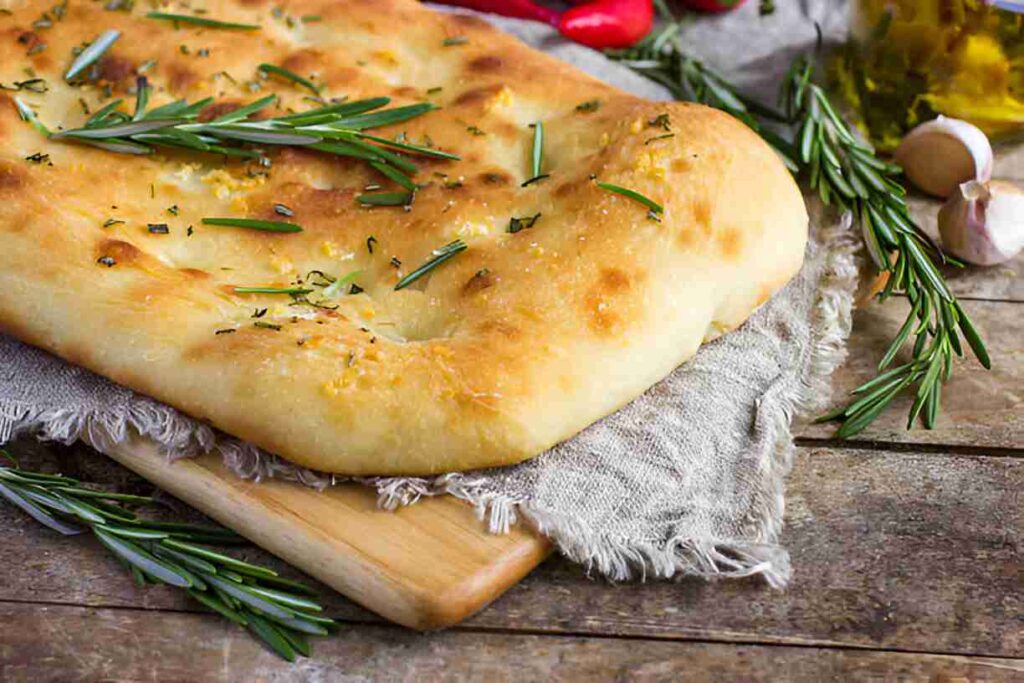

There’s nothing quite like the warm, inviting aroma of freshly baked bread wafting through your kitchen, is there? Homemade Focaccia Bread is not just a treat for your taste buds; it’s a heartwarming experience that brings family and friends together. Easy to make and customizable to your liking, focaccia has quickly become a baking staple for many households. Join me as we explore the delectable world of homemade focaccia, its benefits, essential ingredients, and everything you need to create the perfect loaf.
Why You’ll Love Homemade Focaccia Bread
Perfect for Families and Quick to Make
Homemade focaccia bread is a perfect option for families because it’s both simple and quick to prepare. When you have a busy day ahead, you can whip up this bread with just a few ingredients and minimal fuss, making it an effortless addition to your meals. Kids love getting involved in the process, from mixing the ingredients to decorating their own portions, making it a fun family activity.
Nutritional Benefits and Simple Ingredients
Focaccia is not only delicious but can also be nutritious. Using high-quality ingredients like extra virgin olive oil and fresh herbs, you can make this bread both tasty and nourishing. Olive oil is known for its healthy fats and antioxidants, which can contribute to a well-balanced diet. Plus, with only a handful of basic ingredients, you can control what goes into your bread, avoiding preservatives and artificial additives, making it a wholesome choice for your family.
Flexibility and Adaptability
One of the best parts about homemade focaccia is its versatility. You can easily adapt the recipe to suit your taste preferences, dietary restrictions, or what you have available in your pantry. Whether you want to add some spices, toppings, or even transform it into a sweet treat, focaccia is like a blank canvas for your culinary creativity. Plus, it’s budget-friendly, allowing you to produce an impressive loaf without breaking the bank.
Essential Ingredients for the Recipe
To get started on your homemade focaccia journey, let’s first gather the essential ingredients.
Ingredients:
- 1 1/4 cup warm water
- 1 tsp granulated sugar
- 1 (0.25 oz) packet or 2 1/4 tsp active dry yeast
- 3 1/4 cups all-purpose flour (plus more as needed)
- 2 tsp kosher salt
- 1/2 cup extra virgin olive oil (divided)
- 2 tbsp fresh rosemary leaves
- Flaky sea salt for topping
Main Ingredient 1: Active Dry Yeast
Active dry yeast is a crucial ingredient for creating that delightful rise in your focaccia. It helps the dough become light and fluffy. If you’re running low, you can substitute it with instant yeast at the same ratio, but ensure to adjust the dissolving method according to the yeast type.
Main Ingredient 2: All-Purpose Flour
All-purpose flour is the foundation of this recipe. It provides the structure needed for the bread. If you prefer, you can use bread flour for a chewier texture or even whole wheat flour for a slightly nutty flavor. Make sure to add additional water if you opt for whole wheat as it absorbs more liquid.
Main Ingredient 3: Extra Virgin Olive Oil
Extra virgin olive oil is not just for flavor—it’s a healthy fat that aids in the dough’s consistency and moisture. You can replace it with a neutral oil like canola or grapeseed oil if preferred, but the distinct taste of olive oil adds a Mediterranean feel to your focaccia.
Ingredient Preparation
Now that we have our ingredients, let’s guide you through the preparation steps.
Step 1 – Activate the Yeast
Start by warming the 1 1/4 cup of water until it’s comfortably warm to the touch, not boiling. Mix in the granulated sugar, followed by the dried yeast. Let it sit for about 5-10 minutes until it becomes frothy. This shows that the yeast is alive and ready to work its magic!
Step 2 – Combine Dry Ingredients
While the yeast activates, take a large mixing bowl and whisk together the 3 1/4 cups of flour and 2 tsp of kosher salt. This ensures that the salt is evenly distributed and that you don’t risk killing your yeast with direct contact later.
Step 3 – Form the Dough
Once the yeast foams up, pour it into the bowl with the flour and add 1/4 cup of olive oil. Mix with a wooden spoon until it forms a shaggy dough. Don’t fret if it feels a tad sticky; that’s normal! Dust your countertop with flour and knead the dough for about 8-10 minutes until smooth and elastic. If it’s too sticky, sprinkle a little more flour during kneading.
Step-by-Step Cooking Instructions
Let’s bring all our hard work together with these easy-to-follow cooking instructions.
Step 1 – Initial Preparation
Preheat your oven to 425°F (220°C). While the oven heats, place the dough in a lightly oiled bowl, cover it with a damp cloth or plastic wrap, and let it rise for about 1 hour or until it doubles in size.
Step 2 – Ingredient Assembly
Once risen, turn the dough out onto a baking sheet lined with parchment paper (for easy removal). Gently press it into a rectangle or an oval, about 1 inch thick. Use your fingers to create dimples all over the top of the dough—this helps capture any oil or toppings you decide to use!
Step 3 – Cooking and Finishing Touches
Drizzle the remaining 1/4 cup of olive oil over the surface, sprinkling the fresh rosemary leaves and flaky sea salt. Bake for 20-25 minutes or until golden brown and the edges are crispy. The aroma will fill your kitchen, making it hard to resist!
Tips for an Even Tastier Version
Adding Extra Ingredients
Elevate your focal point loaf by mixing in ingredients such as chopped sun-dried tomatoes, olives, or caramelized onions into the dough. The flavors will bloom during baking, adding layers of taste.
Techniques to Enhance Flavor
For an extra flavor burst, consider marinating your rosemary in garlic-infused olive oil before sprinkling it on top. You can also experiment with spices like crushed red pepper flakes or even za’atar for an exotic twist.
Adjustments for Preferences
Have a specific diet? You can easily make focaccia gluten-free by substituting all-purpose flour with a good gluten-free flour blend. Just remember to include xanthan gum if your blend doesn’t contain it to mimic the elasticity.
Recipe Variations and Adaptations
Vegetarian Option
Focaccia is inherently vegetarian, but if you want to add some heft, consider topping it with grilled vegetables like zucchini or peppers. Add a bit of ricotta cheese for a creamy finish.
Gluten-Free or Low-Carb Option
For those on a gluten-free diet, opt for almond flour or a gluten-free baking mix. If you’re looking for a low-carb version, experimenting with cauliflower dough may yield interesting results.
Other Adaptations
Seasonal variations are a fun way to incorporate fresh ingredients. In the fall, try adding chopped apples and cinnamon for a sweet spin. During the summer, fresh basil and tomatoes create a flavorful Caprese focaccia.
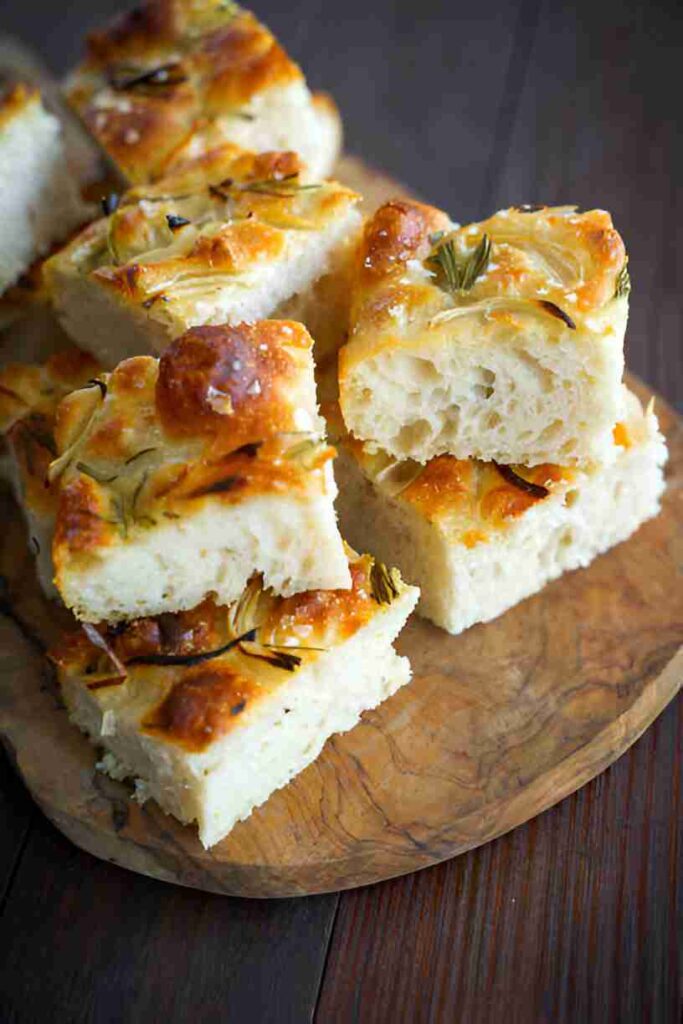
Serving Suggestions
Salad or Soup Ideas
Pair your focaccia with a light salad, such as a classic Caprese or a crunchy Caesar. It complements a warm bowl of minestrone soup or a hearty vegetable stew beautifully.
Hearty Sides
Make it a meal by serving focaccia alongside roasted vegetables or homemade breadsticks. It’s perfect for soaking up sauces, enhancing your dining experience.
Drink Recommendations
A glass of crisp white wine or sparkling water with a twist of lemon pairs splendidly with the olive oil notes of focaccia. If you’re after a non-alcoholic option, consider a refreshing herbal tea or mocktail.
Storage and Reheating Tips
How to Store Leftovers
After your focaccia cools, wrap it in aluminum foil in an airtight container or simply keep it in a resealable plastic bag. You’ll want to store it at room temperature for up to 3 days, or in the fridge for a week.
Reheating Techniques
To reheat, pop the focaccia in a preheated oven at 350°F (175°C) for about 10 minutes until warmed through. For a quick fix, the microwave will work too—just be aware it may lose some of its crispiness.
Portioning Tips
If you’re meal prepping, consider slicing the focaccia into individual portions before storing. This makes it easy to grab and enjoy on busy days!
Nutritional Information and Benefits
Nutritional Values per Serving
A typical serving of homemade focaccia contains approximately 200 calories, 7g protein, 30g carbohydrates, and 8g fat. For healthier options, consider using whole wheat flour to boost the fiber content.
Ingredient Benefits
The use of olive oil not only adds flavor but also has heart-healthy properties. Rosemary is packed with antioxidants and may improve digestion, making your focaccia not just delicious, but nutritious.
Recommended Portions
Though it’s tempting to indulge, a serving size of about 1-2 ounces is ideal, especially if you’re serving it as a side dish. This helps keep the meal balanced.
Common Mistakes to Avoid
Issue 1 – Not Enough Yeast Activation
Ensure that your yeast is fresh and properly activated. If the yeast isn’t foamy after 10 minutes, it might be dead and you should start over.
Issue 2 – Over-kneading the Dough
While kneading is essential for gluten development, overdoing it can lead to dense focaccia. Aim for just enough kneading until smooth, then stop!
Issue 3 – Skipping the Dimple Step
Don’t forget to dimple your dough! This simple step not only adds character to your bread but helps hold the olive oil and herbs, enhancing flavor and texture.
Inspiring Conclusion
Homemade focaccia bread is not just a recipe; it’s a sensory experience filled with warmth and creativity. You’ve learned its benefits, essential ingredients, and a multitude of ways to personalize this versatile bread. So roll up your sleeves, gather your loved ones, and dive into making your own focaccia. Don’t hesitate to experiment with flavors and share your delicious results with friends and family. Happy baking!
FAQ (Frequently Asked Questions)
1. Can I prepare this recipe in advance?
Yes! You can prepare the dough ahead of time and refrigerate it after the initial rise. Allow it to come to room temperature before baking.
2. What are the best substitutes for all-purpose flour?
You can use bread flour for a chewier texture or a gluten-free blend if you’re aiming to avoid gluten altogether.
3. Can I freeze focaccia?
Absolutely! Focaccia freezes well. Just wrap it tightly in plastic wrap and aluminum foil for up to 3 months.
4. How can I infuse more flavor into the dough?
Consider adding fresh herbs or garlic to the dough for a flavor boost. An herbed oil drizzle before baking also enhances the taste.
5. What’s the difference between focaccia and pizza dough?
The primary difference lies in the method of preparation and the addition of olive oil in focaccia, giving it a distinct texture and flavor.
6. How can I make focaccia look more visually appealing?
Use fresh herbs, sliced tomatoes, or olives as toppings. Create a pattern with the dimples to make it more artistic!
7. How long does focaccia last?
Homemade focaccia is best enjoyed within 3-5 days when stored properly at room temperature or up to a week in the refrigerator.
8. Can I make a sweet version of focaccia?
Yes! You can create a sweet focaccia by adding sugar, fruits, or chocolate chips when mixing the dough!
9. What’s the best way to slice focaccia?
Use a serrated knife to cut the focaccia to prevent it from squishing down. Allow it to cool completely for cleaner slices.
10. What should I do if my focaccia is dense?
This can happen if the dough was not kneaded enough or if too much flour was added. Next time, knead just until smooth and be careful not to add too much flour while shaping.
Your culinary adventure awaits! Whether it’s the first time or you’re an experienced baker, homemade focaccia is an open invitation to experiment and enjoy. Happy baking!
Eclairs: Your Ultimate Guide to Making This Classic Delight
PrintHomemade Focaccia Bread: The Ultimate Guide to Baking Your Own
An easy, no-knead focaccia bread with a crisp golden crust, airy interior, and signature dimpled surface. Infused with olive oil and fresh rosemary for authentic Italian flavor.
- Prep Time: 20 minutes (active)
- Cook Time: 25 minutes
- Total Time: 14-20 hours (including rising)
- Yield: 12 servings 1x
- Category: Bread
- Method: No-Knead / Oven Baking
- Cuisine: Italian
Ingredients
- 4 cups (500g) bread flour (or all-purpose)
- 2 tsp (10g) kosher salt
- 2 tsp (8g) instant yeast
- 2 cups (480ml) lukewarm water (about 95°F/35°C)
- 1/4 cup (60ml) extra virgin olive oil (plus more for drizzling)
- 2 tbsp fresh rosemary leaves
- 1 tsp flaky sea salt
- Optional toppings: cherry tomatoes, garlic cloves, olives, or grated Parmesan
Instructions
- Mix dough: In a large bowl, whisk flour, salt, and yeast. Add water and 2 tbsp olive oil. Mix until no dry flour remains (dough will be sticky).
- First rise: Cover with damp towel and let rise at room temperature for 12-18 hours (overnight).
- Prepare pan: Pour 2 tbsp olive oil into a 9×13″ baking pan, coating bottom and sides.
- Shape dough: Transfer dough to oiled pan. Stretch gently to edges (it may not fully reach at first). Let rest 30 minutes.
- Dimple dough: Using oiled fingers, press deep dimples across surface. Drizzle with 1-2 tbsp olive oil.
- Second rise: Cover and let rise 1-2 hours until puffy.
- Preheat & top: Preheat oven to 425°F (220°C). Sprinkle with rosemary and sea salt.
- Bake: Bake 20-25 minutes until golden brown. Immediately transfer to rack to cool.
Notes
- For best flavor: Use high-quality olive oil and fresh rosemary
- Dough can rise in fridge for 24 hours for more sourdough-like flavor
- Test doneness by tapping bottom – should sound hollow
- Store wrapped at room temp for 2 days or freeze for 1 month
Nutrition
- Serving Size: 1 slice (1/12 of loaf)
- Calories: 180
- Sugar: 0g
- Sodium: 390mg
- Fat: 6g
- Saturated Fat: 1g
- Unsaturated Fat: 4.5g
- Trans Fat: 0g
- Carbohydrates: 27g
- Fiber: 1g
- Protein: 4g
- Cholesterol: 0mg