

Table of Contents
THere’s something magical about a simple meal that transports me back to family gatherings—smoky scents wafting from the kitchen, laughter shared over clinking forks, and the warmth of being surrounded by loved ones. One dish that often takes center stage on those special evenings is my easy-to-make Dijon Salmon. To say that it’s a crowd-pleaser would be an understatement; the tangy mustard glaze and tender flakes of salmon are impossible to resist!
Each time I prepare this dish, I’m reminded of my grandmother, whose culinary prowess inspired me to experiment in the kitchen. This recipe has a unique twist that elevates it above other salmon preparations I’ve tried, combining Dijon mustard, honey, and lemon juice to create a luscious glaze that’s both sweet and savory. Plus, you’ll learn how easy it is to make this nutritious meal in under 20 minutes, allowing you more precious time with the people you love—and isn’t that what cooking is all about? So, roll up your sleeves, pour a glass of wine, and let’s dive into the delightful world of Dijon-glazed salmon!
What Is This Dish?
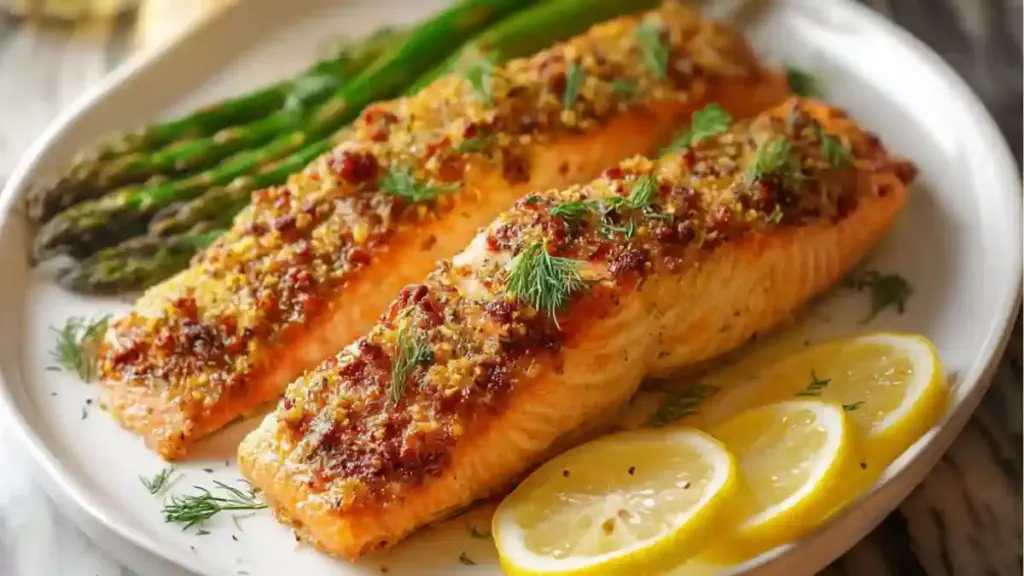
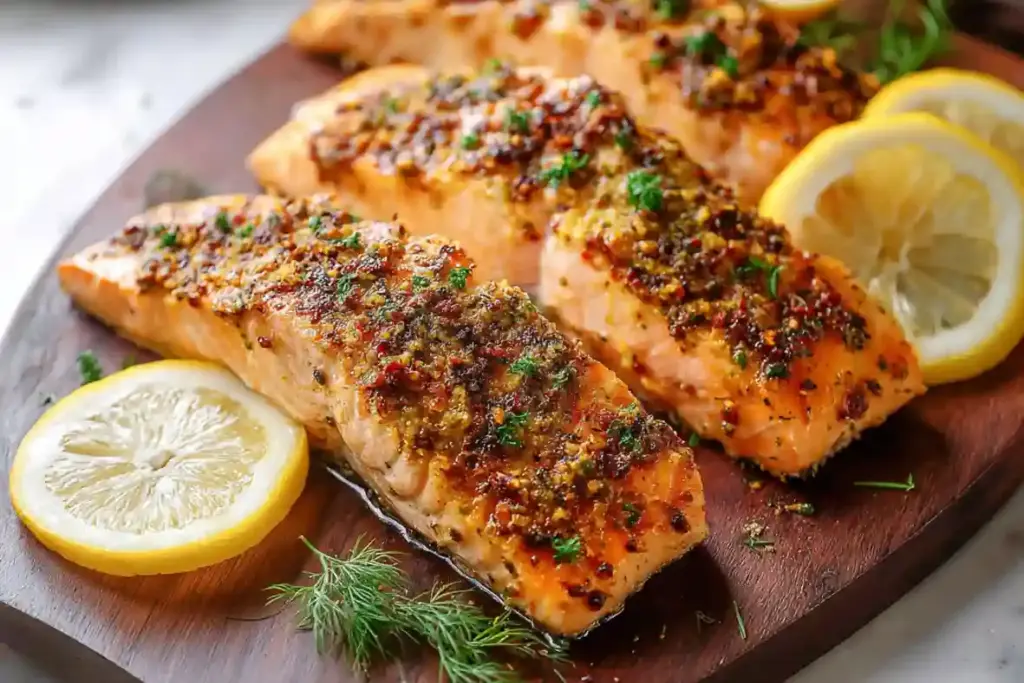
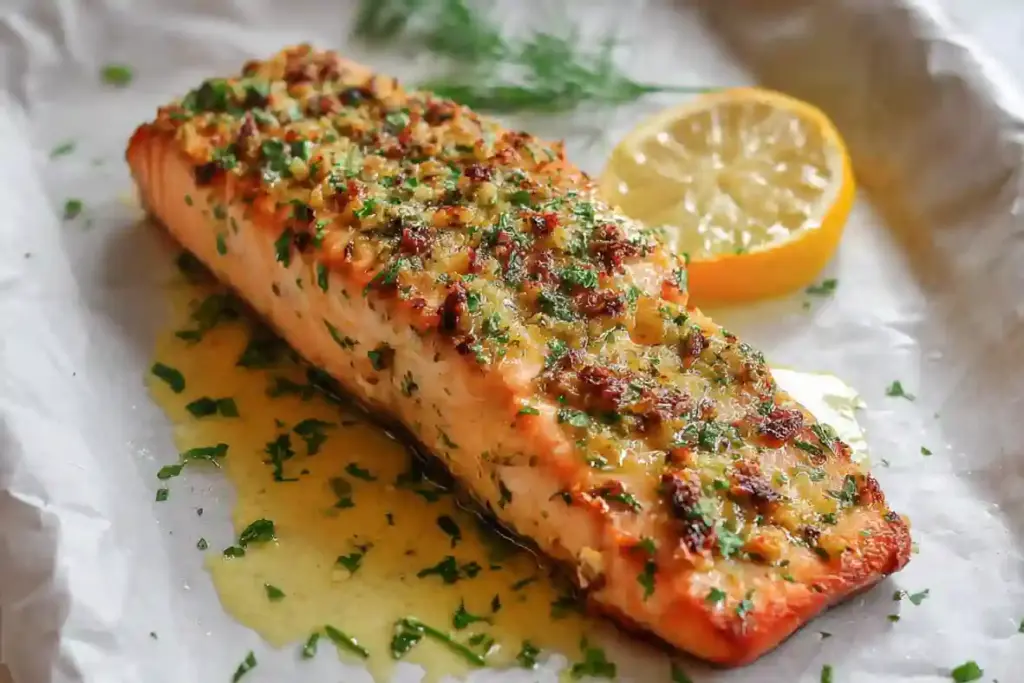
Baked Dijon Salmon is an elegant yet effortless preparation that transforms simple salmon fillets into a restaurant-worthy meal. The fish is coated in a tangy, savory Dijon mustard glaze—infused with honey, garlic, and herbs—then baked until flaky and caramelized. The result? A perfect balance of rich, buttery fish and bright, zesty flavor, with a golden crust that adds just the right amount of crunch.
Origin & Flavor Profile
This dish draws inspiration from French and Mediterranean cuisine, where mustard is often used to enhance seafood. The magic comes from:
- Salmon – High in omega-3s and naturally tender when baked
- Dijon glaze – A mix of sharp mustard, honey (or maple syrup), and garlic for depth
- Herbs – Fresh dill, thyme, or parsley add a fragrant finish
The contrast between the sweet, tangy glaze and the rich, flaky fish makes every bite dynamic yet harmonious.
When to Make This Meal
This salmon recipe is ideal for:
- Quick weeknight dinners (ready in under 20 minutes!)
- Healthy meal prep (reheats beautifully for lunches)
- Dinner parties (impressive but stress-free)
Pair it with roasted vegetables, mashed potatoes, or a crisp salad for a complete meal. Once you try this method, you’ll never doubt how to cook salmon again!
Why You’ll Love It
- Flavor Explosion: This salmon isn’t just a meal; it’s an experience! The blend of zesty Dijon mustard, the sweetness of honey, and the brightness of lemon creates a flavor profile that dances on your palate. Yum!
- Healthier Option: Unlike many take-out meals or frozen dinners, this dish is packed with omega-3 fatty acids from the salmon, along with fresh ingredients that are both wholesome and nourishing. A meal that makes you feel good both inside and out—what’s not to love?
- Quick and Convenient: In just under 20 minutes, you can have a restaurant-quality dish on your table. Talk about a time-saver! Ideal for busy weeknights or last-minute entertaining.
- Cost-Effective: A pack of salmon fillets is surprisingly affordable, and when you make your sauce, you save even more. Cooking smart doesn’t have to break the bank!
- Customizable: This meal can easily be tailored to your preferences. Want more heat? Toss in some chili flakes. Looking for a fresh twist? Experiment with different herbs. You’re only limited by your imagination!
Ingredients for the Best Dijon Salmon
Here’s a handy list of ingredients, plus some helpful notes:
- 2 tablespoons Dijon mustard (choose a quality brand like Maille for authentic taste)
- 1 tablespoon honey (local or raw honey adds an incredible depth)
- 1 tablespoon lemon juice (freshly squeezed for the best flavor)
- 1 tablespoon olive oil (extra virgin is preferred)
- 2 cloves garlic, minced (or more if you love garlic!)
- Salt and pepper, to taste
- 4 (6-ounce) salmon fillets (skin-on for extra flavor)
- Fresh parsley or dill, optional for garnish (adds a lovely pop of color)
Prep Notes: Ensure your butter and ingredients are at room temperature for more effortless blending.
Step-by-Step Instructions
Now let’s dive into the steps to create this delicious salmon dish:
- Preheat your oven to 400°F (200°C). This is the ideal temperature to achieve a beautiful, slightly caramelized glaze on your fish.
- Prepare the baking sheet: Grease your baking sheet with a bit of olive oil or line it with parchment paper for easy cleanup.
- In a small bowl, whisk together 2 tablespoons of Dijon mustard, 1 tablespoon of honey, 1 tablespoon of lemon juice, 1 tablespoon of olive oil, 2 cloves of minced garlic, and salt and pepper to taste. This glaze is what will take your salmon to the next level!
- Chef’s Tip: The goal is to create a smooth mixture without any lumps.
- Place salmon fillets on the prepared baking sheet, skin-side down. Using a large spoon or spatula, spoon the glaze generously over the top of each fillet, ensuring even coverage.
- Bake in the preheated oven for 12 to 15 minutes. You’ll know it’s done when the salmon flakes easily with a fork and has a lovely golden-brown glaze—don’t overcook it, as that can lead to a dry texture.
- Garnish with fresh parsley or dill for that professional touch. Serve warm and enjoy!
Expert Tips & Tricks
- Quality Matters: Always opt for fresh, high-quality salmon for the best results. Wild-caught is usually the tastiest!
- Storage: If you have leftovers (which I hope you do!), store them in an airtight container in the fridge for up to 3 days.
- Make-Ahead Instructions: You can prepare the glaze a day in advance to save time on busy evenings.
- Troubleshooting: If your fish isn’t cooking evenly, check if your oven temperature is accurate. Ovens can vary, and knowing your appliance is key!
- Freezing: I don’t recommend freezing cooked salmon, as it may alter the texture, but the glaze can be made and stored in the fridge for up to a week.
Serving Suggestions
This gorgeous Dijon-glazed salmon pairs beautifully with a variety of sides. Consider serving it alongside roasted asparagus or a refreshing green salad drizzled with lemon vinaigrette. You could also make creamy garlic mashed potatoes for a cozy twist. For presentation, a sprinkle of fresh herbs and a lemon wedge on the plate never goes out of style.
It’s perfect for casual family dinners, easy meal prep, or sophisticated dinner parties—no one will believe how effortlessly you pulled it off!
Variations & Substitutions
The beauty of this salmon recipe is its versatility! Here are a few ideas to switch things up:
- Flavor Combinations: Want a spicy kick? Add sriracha or crushed red pepper flakes to the glaze for an extra kick! For a Mediterranean vibe, toss in some capers and olives.
- Dietary Restrictions: If you’re dairy-free, there’s no need to worry as this recipe is naturally free from dairy. For individuals with gluten sensitivity, this meal is safe to eat as written.
- Seasonal Variations: During summertime, incorporate fresh herbs like basil or tarragon right into the glaze for a delightful twist that sings of the season.
Nutrition & Storage Info
- Prep Time: 5 minutes
- Cook Time: 15 minutes
- Total Time: 20 minutes
- Yield: 4 servings
- Estimated Calories per Serving: 290 calories
Storage Instructions:
- Room temperature: Best eaten fresh.
- Fridge: Up to 3 days.
- Freezer: Not recommended for cooked salmon, but the marinade can be stored for a week.
FAQ Section
Can I make Baked Dijon Salmon ahead of time?
You can prepare some elements of this dish ahead of time. The Dijon mustard sauce can be mixed a day in advance and stored in the fridge. For the best taste and texture, it’s ideal to bake the salmon just before serving.
How do I store Baked Dijon Salmon, and how long does it last?
Store any leftover cooked salmon in an airtight container in the refrigerator for up to 2 or 3 days. While it’s best enjoyed fresh, properly stored leftovers make for a quick and delicious meal later.
Can I substitute ingredients in the Dijon Salmon recipe?
Absolutely! This recipe is quite versatile. Feel free to use different types of mustard (like honey mustard or spicy brown mustard) to vary the flavor. You can also experiment with different herbs (dill or parsley work well) or add a touch of garlic powder or onion powder to the sauce.
What’s the best way to ensure my salmon is cooked perfectly?
The key to perfectly baked salmon is to avoid overcooking. Salmon is done when it flakes easily with a fork but is still slightly opaque in the center. A meat thermometer inserted into the thickest part of the meat should read 145°F (63°C).
Can I make Baked Dijon Salmon nut-free/gluten-free?
Yes! This salmon recipe is naturally nut-free and gluten-free, making it an excellent option for individuals with dietary restrictions. Always double-check the labels on ingredients, such as Dijon mustard, to ensure they meet your specific needs.
Can I use frozen salmon for this recipe?
Yes, you can use frozen salmon fillets. Ensure they are thawed completely in the refrigerator overnight before preparing. Pat them very dry with paper towels before applying the Dijon sauce to ensure it adheres well and the fish bakes evenly.
What if my Dijon sauce is too thick or too thin?
If your Dijon sauce for salmon is too thick, you can thin it out with a tablespoon of water or white wine until it reaches your desired consistency. If it’s too thin, try mixing in a tiny bit more Dijon mustard or a pinch of cornstarch (mixed with a cold liquid first) and gently heating it to thicken the mixture.
Why did my Baked Dijon Salmon turn out dry/undercooked?
Dry salmon is usually a sign of overcooking. Keep a close eye on your baking time and use a meat thermometer for accuracy. If your salmon is undercooked, it simply needs more time in the oven. The thickness of your salmon fillets can significantly impact baking time; adjust the baking time accordingly.
Conclusion
This Dijon-glazed salmon has quickly become a favorite in my household, and I can only hope it will bring as much joy to your table as it does to mine. With its deliciously tangy glaze and the ease of preparation, it’s hard to believe such a fabulous dinner can come together so effortlessly!
If you give this recipe a try, I’d love to hear your feedback in the comments below. Don’t forget to check out related recipes on the blog, including my mouthwatering Better Than Anything Bars, for your next sweet indulgence! Happy cooking!
Air Fryer Honey Mustard Salmon (Quick, Juicy & Flavor-Packed)
Marry Me Salmon: The Love Story on Your Dinner Plate
PrintBaked Dijon Salmon
A crowd-pleasing dish featuring salmon glazed with a tangy mustard, honey, and lemon sauce, ready in under 20 minutes.
- Prep Time: 5 minutes
- Cook Time: 15 minutes
- Total Time: 20 minutes
- Yield: 4 servings 1x
- Category: Main Course
- Method: Baking
- Cuisine: American
- Diet: Paleo
Ingredients
- 2 tablespoons Dijon mustard
- 1 tablespoon honey
- 1 tablespoon lemon juice
- 1 tablespoon olive oil
- 2 cloves garlic, minced
- Salt and pepper, to taste
- 4 (6-ounce) salmon fillets, skin-on
- Fresh parsley or dill, optional for garnish
Instructions
- Preheat your oven to 400°F (200°C).
- Grease your baking sheet with olive oil or line it with parchment paper.
- In a small bowl, whisk together the Dijon mustard, honey, lemon juice, olive oil, minced garlic, and salt and pepper to taste.
- Place the salmon fillets on the baking sheet and spoon the glaze over the top of each fillet.
- Bake for 12-15 minutes until the salmon flakes easily with a fork.
- Garnish with fresh parsley or dill and serve warm.
Notes
Store leftovers in an airtight container in the fridge for up to 3 days. The glaze can be prepared a day in advance.
Nutrition
- Serving Size: 1 serving
- Calories: 290
- Sugar: 5g
- Sodium: 360mg
- Fat: 18g
- Saturated Fat: 3g
- Unsaturated Fat: 12g
- Trans Fat: 0g
- Carbohydrates: 5g
- Fiber: 0g
- Protein: 25g
- Cholesterol: 90mg